Are Your Old Video Games Worth Money? What Collectors Should Look For
If you grew up saving princesses, exploring dungeons, or spending weekends blowing dust out of gray cartridges, there is a good chance you still have a box of old games tucked away in a closet, attic, or basement.
For years, those titles were just childhood memories taking up shelf space. Today, vintage gaming is one of the most vibrant corners of the collecting world. Much like rare trading cards and vintage comics, classic video games have evolved from casual entertainment into genuine cultural artifacts.
The big question is: are old video games worth money?
The short answer is yes—some definitely are. However, not every game from your childhood is an instant treasure. While certain titles can sell for hundreds or even thousands of dollars, others are worth just a few bucks.
To help you figure out what you have, here is a practical guide to what makes valuable video games, what red flags to avoid, and how to evaluate your collection with confidence.
1. Rarity and Print Runs: The Supply Side
In any hobby—whether you collect comic books, sports cards, or action figures—value always begins with supply and demand.
Mass-produced games are often worth very little unless they're sealed in perfect condition. Think of popular sports titles or blockbuster releases that sold millions of copies. Because so many were produced, copies are still readily available today.
True value often hides in the titles that flew under the radar when they first came out:
- Late-generation releases: Games published at the very end of a console's lifespan often had tiny print runs because players had already moved on to newer hardware.
- Niche genres: Role-playing games (RPGs), tactical strategy games, and quirky imports usually sold fewer copies than mainstream action games, making surviving copies much harder to track down.
- Limited physical editions: Certain games had regional exclusives or small retail distributions, keeping the total supply permanently low.
If a game was difficult to find when it was on store shelves twenty years ago, it is almost certainly sought after by serious collectors today.
2. Condition Is Everything
Just like a crease on an old comic book or a worn corner on a rare trading card, the physical condition of a video game directly determines its market value.
When evaluating your cartridges or discs, look closely at these details:
Cartridges
Check the condition of the front and back labels. Are they peeling, torn, faded, or scribbled on with permanent marker? Are the plastic cartridge shells cracked, chipped, or yellowed by sunlight?
Also, check the opening inside the cartridge. Clean, shiny copper connector pins indicate that the game was stored safely away from moisture, while green rust or corrosion can render the game unplayable and significantly reduce its value.
Discs
For CD, DVD, and optical disc media, inspect the readable underside under direct light. Light surface scuffs can sometimes be buffed out, but deep gouges or "disc rot"—tiny pinpricks of light shining through the foil layer—mean permanent damage.
Additionally, check the inner plastic ring for hairline cracks, which can spread and destroy a disc over time.
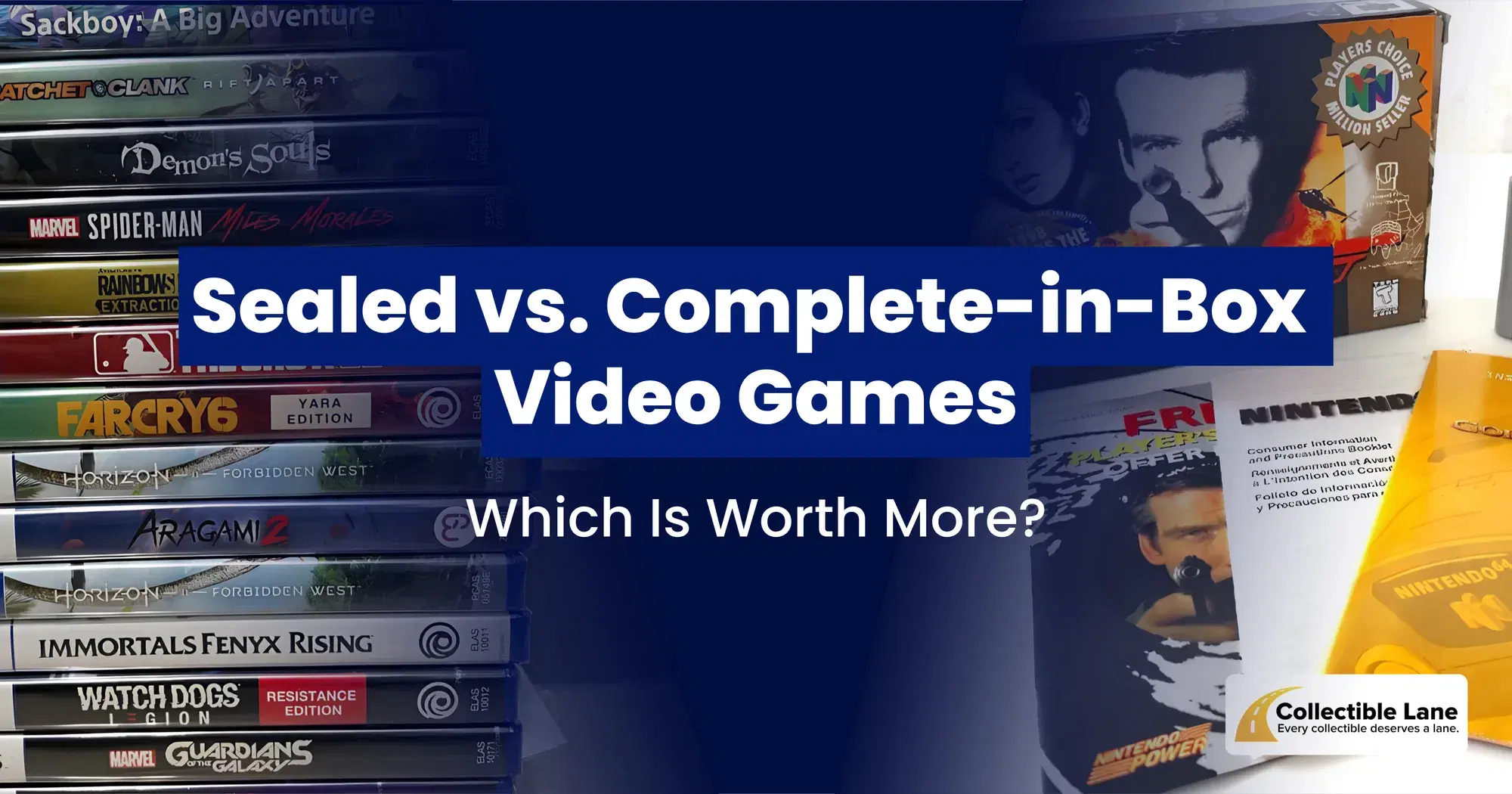
3. The Power of "Complete in Box" (CIB)
Back in the day, most of us would open a new game, throw the cardboard box in the trash, and shove the instruction manual under the couch. Because of that daily habit, the original packaging is now even more rare than the game itself.
In the collector community, you will often hear games categorized into three distinct tiers:
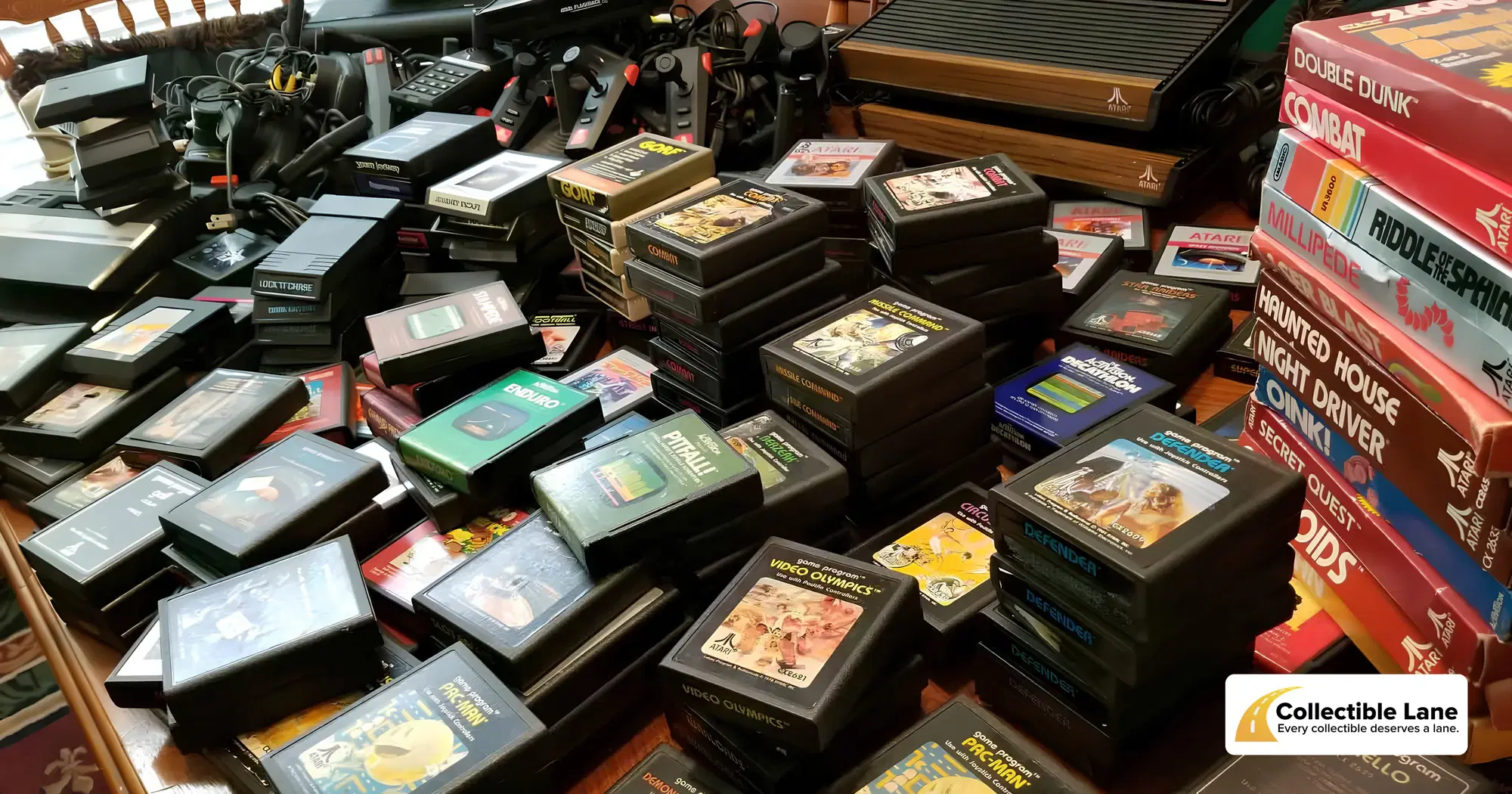
- Loose: Just the cartridge or disc. This is the most common format found in garages and yard sales.
- Complete in Box (CIB): The game, original retail case or box, cover art, and instruction booklet are all present and accounted for.
- Factory Sealed: The game remains completely unopened in its original plastic wrap with the factory seal intact.
The price of an open cartridge and a complete copy can vary significantly. If you still have the clean cardboard box, manual, and original promotional inserts, a $30 game alone could be worth $150 or more. If you're searching through storage, always look for forgotten cardboard cases and manuals in nearby boxes—they might be more valuable than the cartridge inside.
4. First Prints and Variant Editions
Not all copies of the same game are created equal. Publishers frequently issued second runs, budget re-releases, and subtle revisions.
Collectors place a premium on first prints—the very first batch manufactured and shipped to stores. Keep an eye out for these subtle differences:
- Budget labels: Re-releases often feature distinct packaging borders, such as "Player's Choice" or "Greatest Hits" banners. While great for playing, original black-label or non-budget releases almost always carry higher collector value.
- Label and box variants: Minor variations, such as a five-screw cartridge casing versus a three-screw casing, or a change in the opening logo, can turn a common copy into a rare variant that die-hard collectors seek.
- Unrevised code: Early pressings sometimes contained glitches, uncut music tracks, or uncensored content, which were patched out in later reissues, making the original version particularly sought after.
5. Authenticity and Spotting Reproductions
As vintage games have grown in value, counterfeit cartridges and fake labels have entered the market. For passionate collectors, nothing matters more than authenticity and transparency.
Fake cartridges—often called "repros"—are common for high-value titles. Here is how you can spot warning signs:
- Label print quality: Counterfeit labels often look blurry, have incorrect fonts, or feature overly glossy, cheap paper.
- Cartridge plastic: Genuine cartridges have a specific weight, texture, and embossed logo stamp on the back. Cheaper reproduction shells often feel weak, have incorrect factory text, or use the wrong plastic color.
- The circuit board: Opening the cartridge with the correct security bit allows you to see the board. Genuine vintage boards have clean soldering, official manufacturer stamps, and dated chips.
When buying or selling within the collector community, clear photos of the labels, board, and seams ensure honest transactions where everyone knows exactly what they are getting.
6. How to Start Assessing Your Own Collection
Ready to see what your collection might hold? Here is a straightforward way to get started:
- Sort by platform and completeness: Group your games by console, separating loose cartridges from complete copies.
- Inspect and clean gently: Wipe away any surface dust with a dry microfiber cloth. Avoid harsh chemicals, household cleaners, or water, which can damage delicate paper labels.
- Test your games: If you still have the console, check that the games boot and run properly. Working hardware gives any would-be buyer confidence.
- Research real market value: Look at what copies in similar condition actually sell for, rather than ungrounded asking prices.
The Joy of the Hunt
Whether you're looking to sell old video games to free up space, or expand your personal archive with comics, cards, and figures, collecting is all about the thrill of discovery and preservation.
At Collectible Lane, we believe the best collections are built on trust, transparency, and a shared passion for pop culture history. Every game has a story—and discovering what yours is worth is just the beginning of the adventure.